Hot Flashes and Night Sweats: Veozah, Lynkuet, HRT and Other Treatment Options in 2026
Hot flashes and night sweats are caused by changes in the brain's temperature-control center as estrogen levels shift during perimenopause and menopause. The most effective treatment is hormone therapy (HRT). For women who can't or prefer not to take hormones, non-hormonal prescriptions now include Veozah (fezolinetant) and Lynkuet (elinzanetant, approved by the FDA in October 2025), along with certain antidepressants, gabapentin and cognitive behavioral therapy. The right choice depends on your symptoms, health history and preferences.
Most women experience hot flashes at some point in the menopause transition, and for many they're far more than a brief annoyance. Night sweats break up sleep, daytime flushes interrupt work, and the exhaustion builds. The good news: in 2026, there are more effective options than ever.
Here's what causes hot flashes, how long they last, and how today's hot flash treatments compare.

What causes hot flashes and night sweats?
Your body's thermostat sits in a part of the brain called the hypothalamus. Estrogen helps keep it steady. As estrogen fluctuates and falls, signaling from a group of brain cells called KNDy neurons becomes overactive, and the thermostat's comfort zone narrows. Small changes in body temperature then trigger an outsized response:
Blood vessels near the skin widen, causing sudden heat and redness in the face, neck and chest
You sweat to cool down, sometimes heavily
Your heart rate may speed up
Chills often follow as your body overcorrects
Night sweats are simply hot flashes that happen while you sleep. They can soak sheets and wake you up, which is why they're a common cause of the 3 a.m. wake-up.
Common triggers include alcohol, caffeine, spicy food, warm rooms, stress and smoking. Not every hot flash is menopause, though: thyroid problems, some medications, infections and, rarely, other conditions can cause flushing or sweats too.
How long do hot flashes last?
A single hot flash usually lasts from 30 seconds to a few minutes. The bigger question is how many years they continue. A major US study (SWAN) found that frequent hot flashes and night sweats lasted a median of 7.4 years, and longer for women whose hot flashes started early in perimenopause. That's why "just wait it out" is often poor advice.
Hormone therapy for hot flashes
Hormone therapy (HRT, also called menopause hormone therapy) remains the most effective treatment for hot flashes and night sweats. It also helps sleep, vaginal dryness and bone health.
In November 2025, the FDA announced removal of the long-standing "black box" warnings about heart disease, breast cancer and dementia from menopause hormone therapy labels. For many healthy women who start before age 60 or within 10 years of menopause, the benefits outweigh the risks. HRT isn't right for everyone, including many women with a history of breast cancer, blood clots or stroke. Read our full guide: Hormone Replacement Therapy for Menopause: What the Research Says Now.

Non-hormonal treatment for hot flashes
If you can't take hormones, prefer not to, or have had breast cancer, several non-hormonal treatments for hot flashes are backed by research.
Veozah (fezolinetant)
Approved by the FDA in 2023, Veozah was the first of a new class of medicines that target the brain's temperature-control center directly. It blocks a receptor called NK3, calming the overactive signaling that drives hot flashes. It's a once-daily pill. Because rare but serious liver injury has been reported, the label carries a warning and requires liver blood tests before starting and during the first months of treatment.
Lynkuet (elinzanetant)
The FDA approved Lynkuet on October 24, 2025, and it became available in November 2025. It's the first medicine that blocks two related receptors, NK1 and NK3. It's taken once daily at bedtime, and in clinical trials it reduced both hot flashes and sleep disruption. Sleepiness is one of its side effects, which is part of why it's taken at night. In 2026, the FDA also accepted an application, with priority review, to use Lynkuet for hot flashes caused by breast cancer hormone therapy.
Other non-hormonal prescriptions
Low-dose paroxetine: an FDA-approved non-hormonal option for hot flashes at a lower dose than used for depression.
Other SSRIs and SNRIs: such as venlafaxine or escitalopram, used off-label; they may also help mood.
Gabapentin: can be especially useful for night sweats, since it's often taken at bedtime and may cause drowsiness.
Oxybutynin: a bladder medicine that can reduce hot flashes; less suited to older women because of possible effects on thinking.
Veozah vs. Lynkuet vs. HRT: how they compare
Treatment | How it works | How it's taken | Good to know |
Hormone therapy (HRT) | Replaces estrogen | Patch, gel, spray or pill | Most effective; also helps sleep, vaginal symptoms and bones; not for everyone |
Veozah (fezolinetant) | Blocks NK3 in the brain | Pill, once daily | Hormone-free; liver blood tests required |
Lynkuet (elinzanetant) | Blocks NK1 and NK3 in the brain | Capsule, once daily at bedtime | Hormone-free; may improve sleep; can cause sleepiness |
SSRIs / SNRIs | Act on brain chemicals that affect temperature control | Pill, daily | Can also help mood; some interact with breast cancer drugs |
Gabapentin | Calms nerve signaling | Pill, often at bedtime | Helpful for night sweats; may cause drowsiness or dizziness |
No single option is best for everyone. A clinician can help you weigh effectiveness, side effects, cost, insurance coverage and your health history.
Lifestyle changes that help hot flashes
These won't replace medical treatment for severe symptoms, but they can take the edge off:
Cognitive behavioral therapy (CBT) and clinical hypnosis: both are recommended by The Menopause Society for reducing how much hot flashes bother you.
Keep cool at night: a cool bedroom, a fan, breathable layers and moisture-wicking bedding.
Know your triggers: alcohol, caffeine, spicy food and hot drinks are common culprits.
Weight loss: for women with overweight, losing weight may reduce hot flashes.
Don't smoke: smoking is linked with more frequent hot flashes.
A word of caution on supplements: products such as black cohosh, soy isoflavones and herbal blends are widely marketed, but The Menopause Society doesn't recommend them for hot flashes because the evidence is weak. Some can also interact with medications.

Hot flashes are often part of a bigger picture
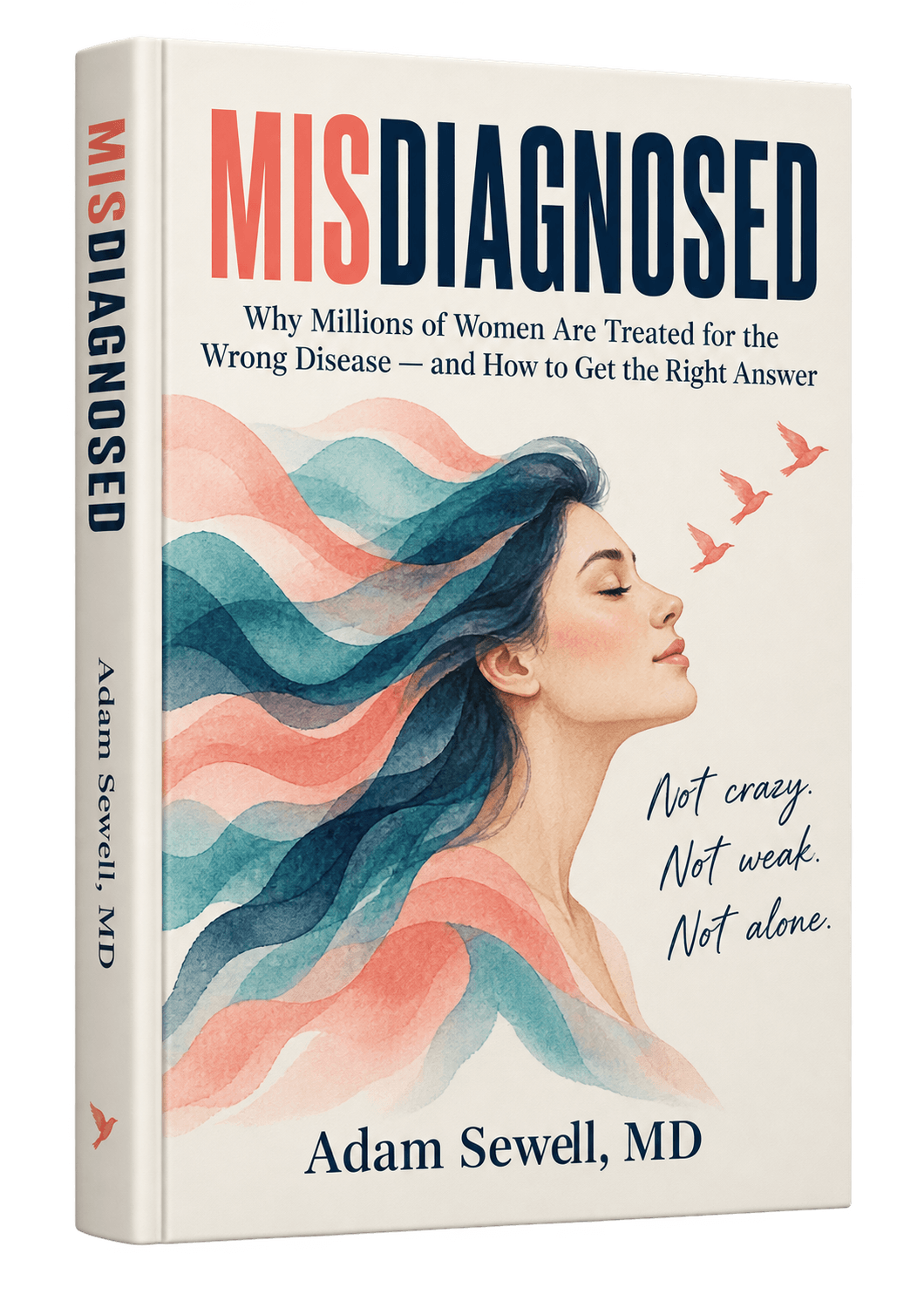
Hot flashes rarely show up alone. They often arrive alongside broken sleep, anxiety, brain fog, joint aches and cycle changes, and those symptoms frequently get treated one at a time. That's the central idea of Dr. Adam Sewell's book Misdiagnosed: the right treatment comes from looking at everything together. See how your symptoms connect with our perimenopause symptom checklist, or learn more about sleep and mood.
When to see a clinician
Book a visit if hot flashes or night sweats are disrupting your sleep, work or quality of life. See a clinician promptly if you have night sweats with fever, unexplained weight loss or swollen glands, or if flushing comes with a racing heart, diarrhea or wheezing, because these can point to other conditions.
Frequently asked questions
What is the best treatment for hot flashes?
Hormone therapy is the most effective treatment for hot flashes and night sweats. For women who can't or prefer not to use hormones, non-hormonal prescriptions such as Veozah, Lynkuet, low-dose paroxetine and gabapentin are effective options. The best choice depends on your health history.
What is the non-hormonal treatment for hot flashes?
Non-hormonal treatments for hot flashes include the prescription medicines Veozah (fezolinetant) and Lynkuet (elinzanetant), certain SSRIs and SNRIs, gabapentin and oxybutynin. Cognitive behavioral therapy and clinical hypnosis also help.
What's the difference between Veozah and Lynkuet?
Both are non-hormonal pills that act on the brain's temperature-control center. Veozah blocks the NK3 receptor and requires liver blood tests. Lynkuet, approved in October 2025, blocks both NK1 and NK3, is taken at bedtime, and may also improve sleep.
What causes hot flashes?
Hot flashes happen when falling and fluctuating estrogen makes the brain's temperature-control center overly sensitive. Small changes in body temperature then trigger flushing, sweating and a faster heart rate to cool the body down.
How long do hot flashes last?
Each hot flash usually lasts from 30 seconds to a few minutes. Over the menopause transition, frequent hot flashes and night sweats last a median of 7.4 years, according to the US SWAN study.
Why are night sweats worse at night?
Night sweats are hot flashes that happen during sleep. Warm bedding, a warm room, alcohol in the evening and hormone shifts can all make them more likely, and they often cause waking in the early morning hours.
Ready for answers that fit?
You don't have to put up with years of hot flashes and broken sleep. Start with our free Whole-Picture Check, or get started with a licensed clinician who can walk you through hormonal and non-hormonal options.
This article is for education only and isn't a substitute for individualized medical care. Prescription treatments require a review of your personal health history.
Sources
PharmExec: FDA approves Bayer's Lynkuet for menopausal hot flashes (Oct 2025)
Bayer: FDA accepts sNDA for Lynkuet (2026)
The Menopause Society: 2023 nonhormone therapy position statement
US Department of Health and Human Services: FDA initiates removal of black box warnings from menopausal hormone therapy products (Nov 2025)
HCPLive: Nonhormonal therapies transform hot flash treatment in menopause
Avis et al., Study of Women's Health Across the Nation (SWAN), JAMA Internal Medicine, 2015: duration of hot flashes and night sweats
US FDA: Veozah (fezolinetant) prescribing information, including liver warning