Menopause Weight Gain and "Menopause Belly": Why It Happens and What Helps (Including GLP-1s)
Menopause weight gain is common, and it tends to settle around the middle. As estrogen falls, the body stores more fat in the abdomen, while age-related muscle loss, poorer sleep and stress make weight easier to gain. "Menopause belly" isn't a medical diagnosis, but extra belly fat matters because it's linked to heart and metabolic health. What helps most: strength training, enough protein, better sleep and less alcohol. For some women, medical options such as GLP-1 medicines can help, and early research suggests hormone therapy may add to their effect.
Same food. Same workouts. Yet your jeans fit differently, and the change seems to have settled right around your waist. If that sounds familiar, you're far from alone. Searches for "menopause belly" and "perimenopause weight gain" keep climbing, along with questions about Ozempic and other GLP-1 medicines.
Here's why weight shifts in menopause, what actually helps, and what new research says about GLP-1s and hormone therapy.

Why do women gain weight during menopause?
It's not just willpower, and it's not just age. Several changes add up at once:
Falling estrogen shifts where fat is stored. Before menopause, more fat tends to sit on the hips and thighs. As estrogen drops, more is stored in the abdomen, including deeper visceral fat around the organs.
Muscle loss slows your menopause metabolism. Adults gradually lose muscle with age, and the pace picks up around menopause. Less muscle means fewer calories burned at rest.
Sleep gets disrupted. Night sweats and 3 a.m. wake-ups affect hunger hormones and cravings, and make it harder to stay active.
Stress and mood changes can raise cortisol and change eating patterns.
Life shifts at midlife, such as busier schedules and caregiving, leave less time for movement and meal planning.
Large studies of midlife women, including the US SWAN study, have found that total weight tends to creep up steadily through midlife, while the shift of fat toward the middle speeds up around the menopause transition itself.
What is "menopause belly"?
"Menopause belly" is a popular term for the extra fat many women notice around the waist during perimenopause and after menopause. Cleveland Clinic notes it isn't a medical diagnosis, but it describes something real: a shift toward abdominal fat.
Belly fat matters for more than how clothes fit. Visceral fat is linked to higher risks of heart disease, type 2 diabetes and high blood pressure. A waist measurement over 35 inches is one simple signal clinicians use to flag higher risk for women.

How to lose menopause belly fat: what actually helps
There's no way to spot-reduce belly fat, but these steps help with menopause weight gain overall, and with the muscle and metabolic changes behind it:
Strength training two to three times a week. This is the most important one. Building and keeping muscle supports metabolism, bone strength and blood sugar control.
Protein at every meal. It helps you stay full and protect muscle. Many women benefit from spreading protein evenly through the day.
Daily movement. Walking, cycling or swimming support heart health and help manage visceral fat.
Fiber-rich, mostly whole foods. Vegetables, beans, whole grains and fruit help with fullness and blood sugar.
Less alcohol. It adds calories, worsens sleep and can trigger hot flashes.
Protect your sleep. Treating night sweats and insomnia can make every other step easier.
Skip crash diets. Very low-calorie eating can speed up muscle loss, which works against you in midlife. And be skeptical of "menopause belly" supplements: as our supplement evidence guide explains, most promise far more than the research shows.
GLP-1s and menopause: Ozempic, Wegovy and Zepbound
GLP-1 medicines have changed weight care. They include semaglutide (sold as Ozempic for diabetes and Wegovy for weight) and tirzepatide (sold as Mounjaro for diabetes and Zepbound for weight). They work by reducing appetite and slowing digestion, and they can lead to meaningful weight loss for people who qualify.
A few things to know about GLP-1s and menopause:
They can work well at midlife, but they're prescription medicines with side effects, most often nausea, constipation and other digestive symptoms.
Muscle loss is a concern. Rapid weight loss can include muscle, so strength training and enough protein matter even more on a GLP-1.
Weight often returns after stopping, so it's important to plan for the long term with your clinician.
Avoid unregulated versions. The FDA has warned about risks from some compounded and online GLP-1 products. Use them only through a licensed prescriber and a legitimate pharmacy.
HRT and weight gain: does hormone therapy help?
Hormone therapy isn't a weight-loss treatment, and it doesn't cause weight gain, a common worry. Some research suggests it may help limit the shift of fat toward the abdomen. Its main job is relieving hot flashes, night sweats and other symptoms. Better sleep and energy can make healthy habits easier to keep.
New research has also looked at hormone therapy and GLP-1s together:
A Mayo Clinic study published in 2026 in The Lancet Obstetrics, Gynaecology & Women's Health looked at 120 postmenopausal women taking tirzepatide. Those also using menopause hormone therapy lost an average of 19.2% of their body weight, compared with 14.0% for those not using it.
An earlier Mayo Clinic study of semaglutide, published in Menopause in 2024, found a similar pattern: about 16% weight loss with hormone therapy versus 12% without.
These were observational studies, not randomized trials, so they can't prove hormone therapy caused the extra weight loss. As the tirzepatide study's senior author put it, the researchers cannot say hormone therapy caused additional weight loss. Larger trials are needed. Read more in our guide to hormone replacement therapy.

Is it really menopause? Look at the whole picture
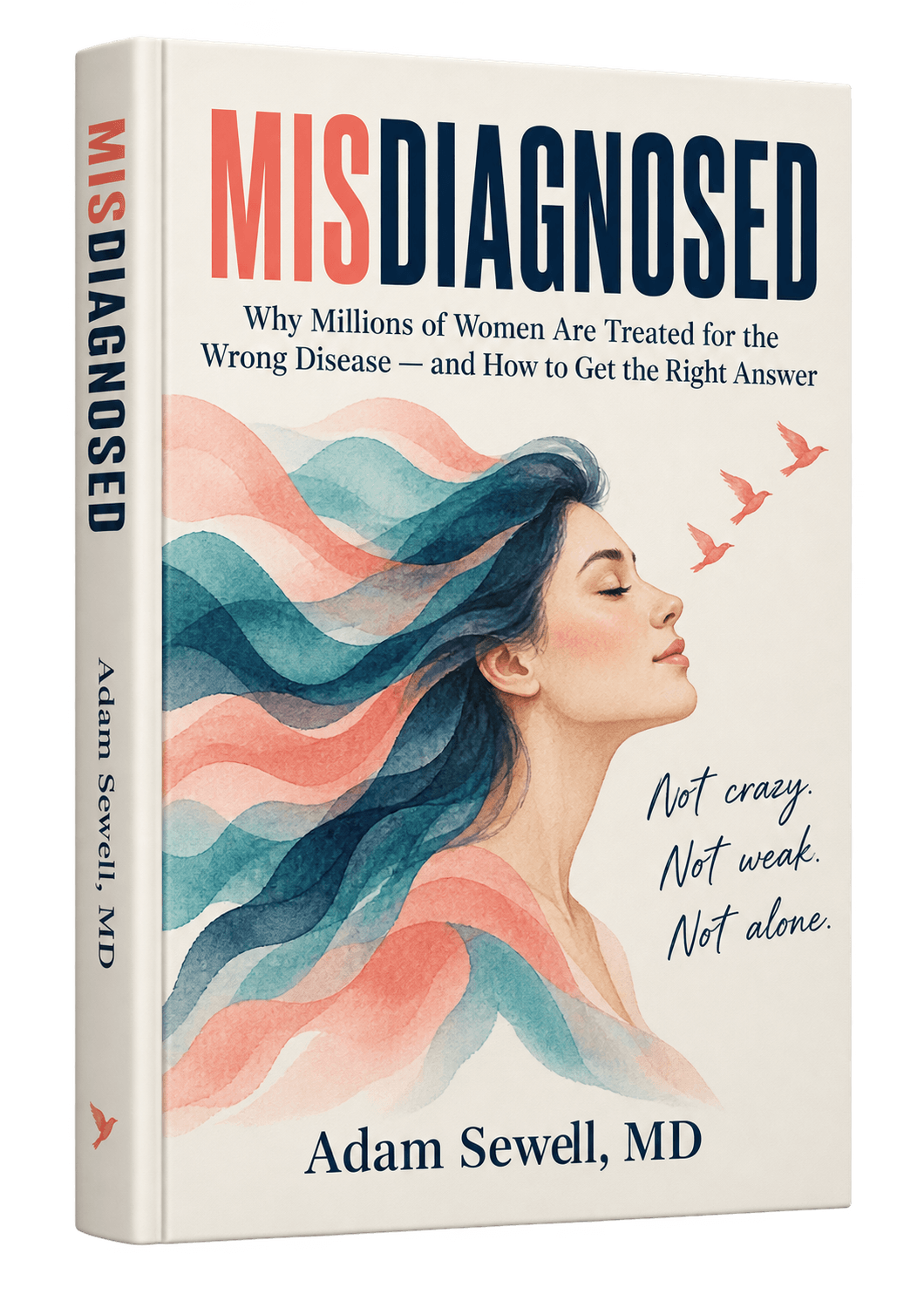
Midlife weight gain isn't always about menopause alone. An underactive thyroid, insulin resistance, sleep apnea, some medications, depression and chronic stress can all play a part, and they often overlap with menopause symptoms. That's the central idea of Dr. Adam Sewell's book Misdiagnosed: weight change, fatigue, poor sleep and mood shifts make the most sense when they're looked at together. See how your symptoms connect with our perimenopause symptom checklist, or learn about our approach to weight health.
When to talk to a clinician
Book a visit if you've gained weight without changing your habits, your waist is growing quickly, or weight change comes with fatigue, hair or skin changes, feeling cold, very heavy periods or mood changes. A clinician can check for thyroid problems, blood sugar issues and other causes, and talk through options, including whether a GLP-1 or hormone therapy makes sense for you.
Frequently asked questions
Why do women gain weight during menopause?
Falling estrogen shifts fat storage toward the abdomen, while age-related muscle loss lowers the calories you burn at rest. Poor sleep from night sweats, stress and busier midlife schedules make menopause weight gain more likely.
What is menopause belly?
Menopause belly is a popular term for extra fat around the waist during perimenopause and after menopause. It isn't a medical diagnosis, but it reflects a real shift toward abdominal fat that's linked to heart and metabolic risk.
How do you lose menopause belly fat?
You can't spot-reduce belly fat, but strength training, enough protein, regular movement, fiber-rich foods, less alcohol and better sleep help reduce overall and visceral fat. For some women, medical treatment such as a GLP-1 may also help.
Do GLP-1s like Ozempic work during menopause?
GLP-1 medicines such as semaglutide and tirzepatide can lead to meaningful weight loss at midlife for women who qualify. Strength training and enough protein are important on them to limit muscle loss, and they should only be used through a licensed prescriber.
Does HRT help with menopause weight gain?
Hormone therapy isn't a weight-loss treatment, and it doesn't cause weight gain. Early observational research suggests women using hormone therapy alongside GLP-1 medicines lost more weight, but this hasn't been proven in randomized trials.
Is menopause weight gain inevitable?
No. Many women gain weight in midlife, but strength training, protein, sleep and other habits can limit it, and medical options can help when needed. Weight change can also signal other conditions, such as thyroid problems, worth checking.
Ready for answers that fit?
Midlife weight change isn't a personal failing, and you don't have to figure it out alone. Start with our free Whole-Picture Check, or get started with a licensed clinician who looks at the whole picture.
This article is for education only and isn't a substitute for individualized medical care. Prescription medicines require a review of your personal health history.
Sources
ScienceDaily / Mayo Clinic: Hormone therapy and tirzepatide weight loss in postmenopausal women (2026), reporting Castaneda, Hurtado Andrade et al., The Lancet Obstetrics, Gynaecology & Women's Health
Hurtado, Shufelt et al., semaglutide and menopause hormone therapy, Menopause, 2024
Cleveland Clinic: Menopause belly
Greendale et al., Changes in body composition and weight during the menopause transition (SWAN), JCI Insight, 2019
The Menopause Society: 2022 Hormone Therapy Position Statement, Menopause, 2022
US FDA: warnings on unapproved and compounded GLP-1 products